
How to Layer Textiles and Lighting with Engineered Wood Flooring
Layered interiors rely on more than colour or layout. The right mix of wood tones, fabrics, and lighting sets the mood and brings personality to every space. Engineered wood flooring already offers a stable, stylish foundation that supports this balance through its texture, tone, and warmth. By combining engineered wood with the right textiles and lighting, a space can achieve harmony that feels cohesive and natural.
I could be compensated, if you click on a link in this post via a cash payment, gift or something else of value for writing this post. See our full disclosure policy and privacy policy for more details.
Textiles add depth through touch, pattern, and contrast. They soften solid wood surfaces and tie colours together across walls, furniture, and floors. Lighting plays an equal role by shaping how each texture appears and how the room feels throughout the day. The balance of softness from fabrics and structure from engineered wood creates a setting that feels inviting yet refined.
This guide explains key principles of engineered wood flooring and how layering textiles and lighting can define both style and comfort. It offers practical ways to coordinate materials, textures, and light sources so every element works together with purpose and clarity.
Fundamentals of Engineered Wood Flooring for Interior Layering
Engineered wood flooring combines realistic wood texture with layered strength, making it a thoughtful base for interior design. Its structure supports both visual warmth and physical durability, allowing furniture, textiles, and lighting to align smoothly in style and function.

Key Engineered Wood Flooring Types and Wood Species
Engineered wood flooring contains several layers pressed together, with a real wood surface over a plywood or fibreboard core. The surface layer determines appearance, while the inner core adds stability against moisture and temperature shifts.
Common surface species include oak, walnut, maple, and hickory. Oak gives a classic, neutral grain that balances both warm and cool interiors. Walnut offers deeper colours and natural pattern variation for modern rooms. Maple has a pale tone that brightens spaces, and hickory suits rustic textures with its distinct knots and streaks.
For flexibility, planks come in two main formats: click-lock floating systems or tongue-and-groove boards. Floating floors fit quickly without nails or glue, while fixed systems create a sturdier, long-term finish. Homeowners can shop flooring from engineered wood in these types to achieve the right balance between installation ease and stability.
Selecting Tones and Finishes for Layered Design
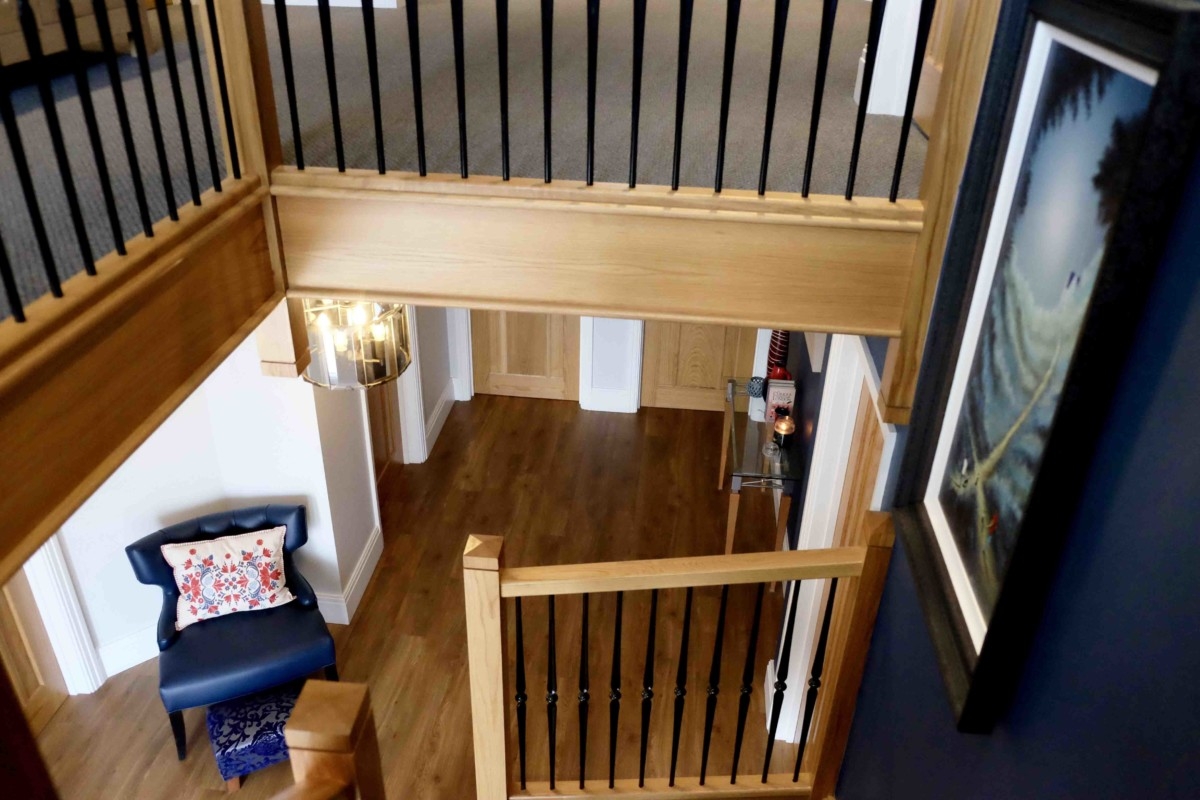
Tone and finish guide how light moves across a floor and affect the perception of depth and texture in the room. Pale finishes such as brushed oak open smaller spaces and reflect ambient light, while darker tones frame textiles and metallic fittings with gentle contrast.
Matte and satin finishes provide a more natural, understated surface that pairs well with soft fabrics or muted lighting. A glossy coat reflects more brightness and can work with glass furniture or sleek accents.
To avoid a mismatch, it helps to test flooring samples beside wall paint, curtains, and lampshades. Repeating wood undertones across other materials keeps the scheme consistent. Floors with a lightly wire-brushed or smoked finish also add visual interest without overpowering rugs or upholstery.
Core Principles of Floor and Lighting Pairing
Flooring colour directly affects how artificial and natural light appear in a room. Light planks spread illumination evenly, while medium or dark floors anchor the visual weight of stronger lights above.
For layered design, designers often combine warm-toned bulbs with honey or amber flooring to create a balanced glow. Cool LED light works better with grey-washed or ash finishes to preserve an even tone.
Accent lighting draws attention to the natural grain of engineered boards, especially if angled from floor lamps or wall washers. Recessed lighting or pendant fixtures should trace furniture groupings so shadows fall naturally across the wood surface. This pairing connects movement, light, and texture into one cohesive atmosphere.
Preparing Your Space: Underlay, Subfloors and Transitions
Before the first plank touches the floor, correct preparation determines how well the surface performs. The subfloor must be clean, level, and dry to prevent lifting or gaps. Uneven patches often need smoothing with a self-levelling compound before any underlay is added.
An underlay helps absorb sound, adds insulation, and compensates for slight irregularities. Foam or rubber underlays suit most floating systems, while latex-backed ones provide moisture protection near kitchens or entryways.
Transitions between rooms matter as much as the flooring itself. Threshold strips and scotia trims create smooth edges that separate different materials without drawing attention away from the main layout. Acoustic and thermal expansion gaps along the walls should remain hidden beneath skirting to keep the floor stable and visually clean.
Design Strategies: Layering Textiles and Lighting with Engineered Wood Floors
Soft materials and thoughtful lighting help bring depth, warmth, and balance to engineered wood flooring. Textiles provide comfort underfoot and visual texture, while lighting defines the tone of the space and highlights the beauty of the wood finish. Together, they shape how each room feels and functions.
Choosing and Placing Textiles for Warmth and Texture
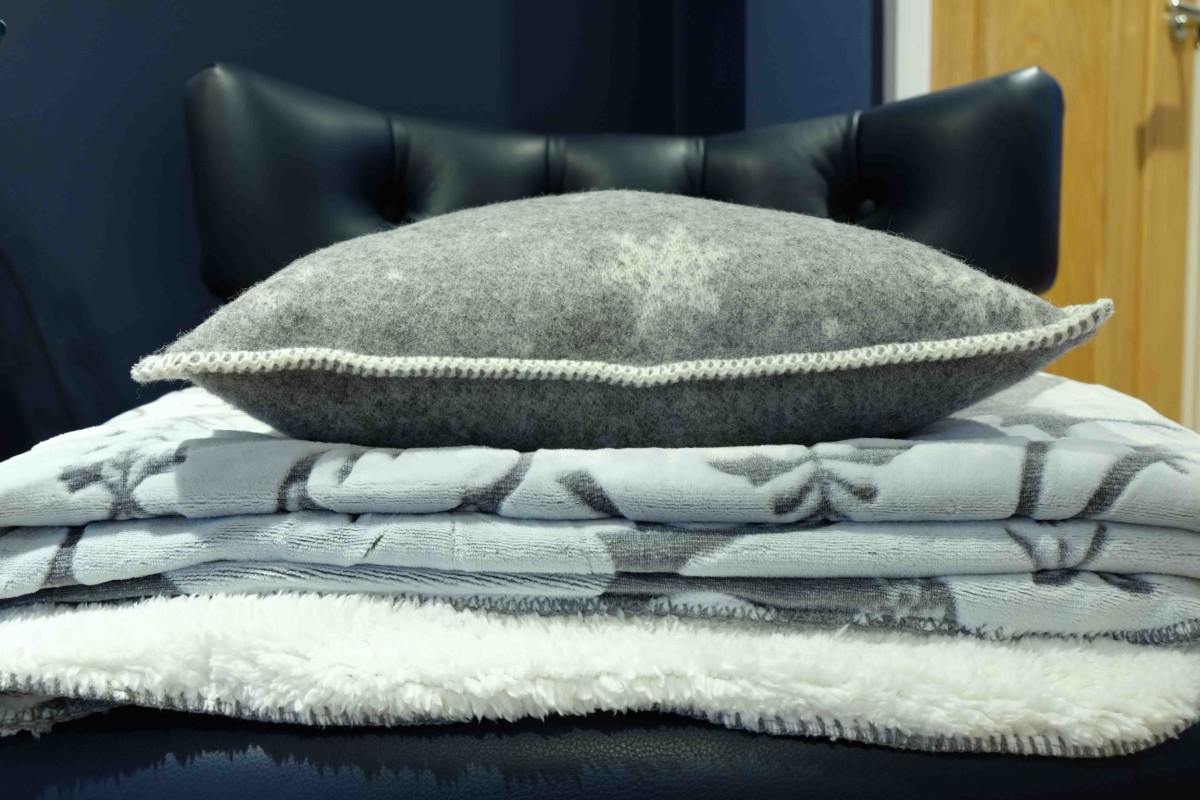
Textiles introduce softness that contrasts with the natural grain of engineered wood. Wool, cotton, and linen rugs work well in living areas or bedrooms, while jute or sisal adds rustic charm to hallways. Layering materials such as woven throws or velvet cushions increases comfort and breaks up solid surfaces.
Each wood species, such as oak or hickory, pairs best with specific textures. Smooth maple floors match neatly woven textiles in pale neutrals, while reclaimed wood suits dense fabrics in earthy tones. Runners on wood stairs can also reduce noise and add grip underfoot.
Regular care keeps textiles fresh and flooring safe. Damp mopping with a gentle floor cleaner prevents dust build-up, and avoiding harsh chemicals protects the hardwood veneer finish. Using a moisture meter before cleaning helps maintain the correct humidity level, which supports both textile fibres and the engineered layers below.
Optimising Lighting to Complement Wood Tones
Lighting affects how engineered wood floors appear throughout the day. Warm bulbs flatter golden or natural finishes, while cooler tones highlight grey or black surfaces. Proper direction also matters. Downlights draw attention to texture, and wall sconces highlight features such as exposed brick or wall panelling.
Layered lighting improves comfort and focus. A combination of ceiling fittings, table lamps, and spotlights creates balance in an interior design scheme. Adjustable fixtures allow subtle control, ideal during evening relaxation or daytime work. Underfloor heating may influence light reflection, as heat often intensifies natural sheen on the surface.
Bulb placement near floor edges can reveal wood grains and joints laid with tools like a tapping block or pull bar during a renovation. As a result, lighting serves both aesthetic and practical roles by showing craftsmanship details.
Colour Palette and Material Pairings for Cohesion
Wood floors influence the entire colour palette of a room. Light oak pairs easily with creams, sage greens, or muted blues, while dark walnut calls for warm metals and deeper fabrics. Mixing matte finishes with a hint of gloss achieves balance without overwhelming the eye.
For consistency, repeat small accents in textiles and wall finishes. Linen curtains, reclaimed wood shelves, and ceramic lamps add connection between vertical and horizontal surfaces. Matching the undertones of fabrics to the wood grain keeps the design grounded.
Materials must also relate in texture. Soft fabrics against structured finishes, like exposed brick or brushed veneer, create visual rhythm. If renovation work involves cutting planks with a jigsaw or circular saw, accurate fitting helps maintain straight lines that support a cohesive look across all materials.
Conclusion
Layering textiles and lighting with engineered wood flooring creates a home that feels balanced and comfortable. Each texture and light source supports the natural warmth of the wood, helping the space feel cohesive and personal.
Soft fabrics such as wool, linen, or cotton add depth while absorbing light gently. In contrast, smooth materials like leather or silk reflect light and highlight the floor’s tone. This mix of matte and sheen surfaces gives rooms quiet visual movement without appearing busy.
Proper lighting adds another level of harmony. Warm bulbs draw attention to golden or natural wood, while neutral light suits cooler grey or dark finishes. The right balance between task, ambient, and accent lighting helps every surface look consistent throughout the day.
Together, these elements form an interior that feels calm yet refined. Pairing texture and light with the floor’s character allows the home’s design to appear thoughtful and complete.