
Essential Safety Protocols Every Tourist Must Know Before Boarding a Philippine Ferry
As you are looking out over the turquoise horizons of the Philippines from the piers in Batangas or Cebu, it is hard to be disappointed in the allure of exploring the islands. You might get swept up in the excitement of island hopping, and that’s normal. However, the ocean must be treated with the respect it deserves. The biggest plus is that the Philippines has shed its old reputation of being a maritime risk because, according to the 2025 Allianz Safety and Shipping Review, total vessel losses in the region have plummeted by 75% over the last decade, reaching record lows in 2024.
I could be compensated, if you click on a link in this post via a cash payment, gift or something else of value for writing this post. See our full disclosure policy and privacy policy for more details.
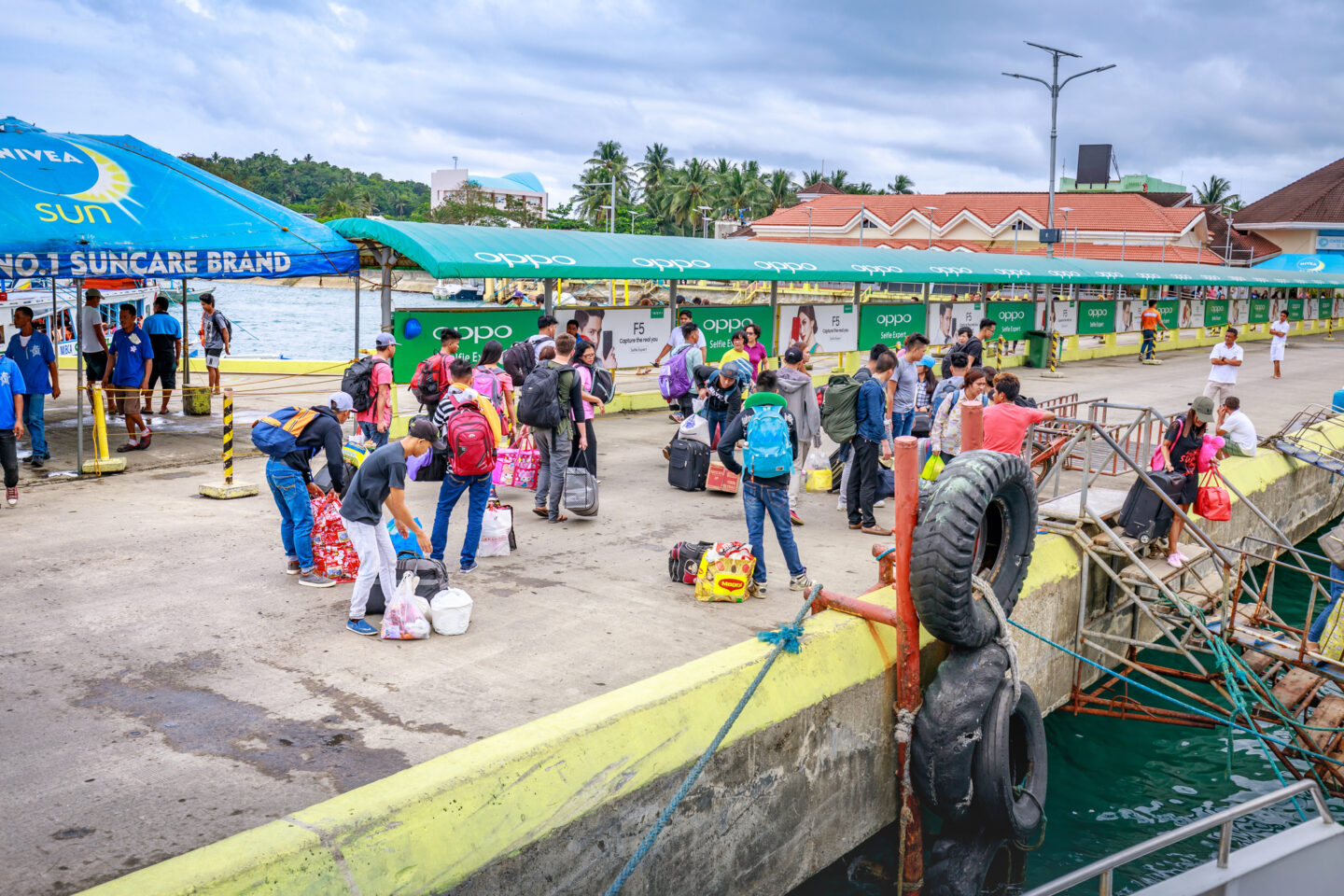
Even as the industry finds itself in the safest period to date, your personal security always begins with your own choices. Whether you are taking the crowded path to Mindoro or the more scenic route to Bohol, this is where your journey can be as effortless as the postcards. Follow these safety protocols given below.
Choose Modern Steel Over Traditional Wood
Across the Philippine maritime landscape are traditional wooden-hulled bancas interplaying with modern fleets composed entirely of steel vessels. The latter are obviously more desirable due to the higher safety standards. According to the 2024 MARINA Statistical Report, this industry capitalization is increasing massively by 189%, driven principally by companies heavily investing in modern, safer-to-operate steel vessels.
Modern operators, such as those you’ll find through a FastCat ferry booking, utilize twin-hull catamaran designs. This isn’t all about speed; the twin-hull structure offers significantly more stability in the choppy waters of the Verde Island Passage compared to traditional single-hull boats.
Respect the “No-Sail” Policy
The Philippines is a beautiful country, yet it is among the top countries most affected by typhoons. Another important procedure in the Philippines sailing regattas is the “No-Sail” policy issued by the Philippines Coast Guard (PCG), which a vessel must follow.
When there is a Public Storm Warning Signal (PSWS), the Philippine Coast Guard will order the grounding of all craft. Statistics gathered by the FerrySafe Project of 2025 indicate that a strictly observed grounding due to weather-related factors remains one of the reasons why Philippine ferry fatalities have dropped toward the global average this decade. When told by the Coast Guard to stay where one is, do not attempt to negotiate a transfer on one’s own boat. One does not negotiate with the sea.
The Manifest: Your Official Footprint
Once you get to your terminal, you will be required to submit your passenger manifest. While it might seem like a boring piece of paperwork, it is part of the safety measures that need to be taken.
The manifest acts as an assurance that the ship will not carry an excess number of passengers above the ship’s capacity. Based on the Maritime Safety Plan (MSP) 2025 strategy, the government has issued a structured roadmap to ensure full compliance with stowage and securing rules. Always ensure your name is correctly spelled and officially checked in. If your name isn’t on that list, you essentially don’t exist in the eyes of search and rescue teams.
Master the “Muster” Point
Once you’ve finished your ferry booking process and gained access to the ferry, instead of looking for the nearest snack bar, the first five minutes should be used for:
- Your Muster Station: This is the place where passengers assemble in the event of an emergency.
- Life Jacket Location: On newer catamarans, these are usually located under your seat or in easily accessible overhead bins.
Under the ‘Ligtas Biyaheng Dagat’ or ‘Safe Sea Travel’ project launched in late 2025, it is common to see crewmembers actively practicing drills even among local civilians aboard the vessel. In these crewmember drills, it is essential to pay attention to the life jacket talks. Securing a life jacket the right way is the difference between the life jacket popping your head out of the water or floating up around your ears.
Watch for “Colorum” Vessels
Although larger ferries are governed by international standards, land tourists commonly use “special trip” ferries to visit more isolated beaches. In this case, there is no complex protocol, just the 1:1 Rule. All passengers are required to carry life jackets.
Be careful about “colorum” boats, which are boats that operate outside of the regulations of the government. Only deal with honest docking areas to ensure the boat has passed the safety inspection in 2025 from MARINA. In the last quarter of 2025, the number of boats with invalid operating credentials due to failure to comply with the strict safety guidelines was substantial, as MARINA invalidated the operating credentials of many of them.
Ready to Explore the Islands?
Traveling by water is the soul of the Philippine experience. By choosing a stable vessel, respecting weather warnings, and knowing your way around a life jacket, you turn a potential risk into a relaxing commute between paradises.


