Why Do Some Products Get Recalled?
While we are going about our daily lives, teams within UK regulatory bodies such as the Office for Product Safety and Standards (OPSS) and local Trading Standards are monitoring the safety of thousands of consumer products. Their role isn’t to find the next trending gadget; it’s to ensure that everyday items on the UK market do not pose risks to the public.
I could be compensated, if you click on a link in this post via a cash payment, gift or something else of value for writing this post. See our full disclosure policy and privacy policy for more details.
Part of this responsibility involves issuing product recalls, which serve as the final safeguard to keep consumers safe.
Why Do Recalls Happen?
Reasons behind recalls can range from the detection of harmful bacteria in food products to the discovery of manufacturing inconsistencies in vehicles, toys, beauty products or electronic devices. Each recall shares a common causative factor: the potential for harm. If a commodity, irrespective of its category or market, poses a substantial risk to consumers, the manufacturer, in cooperation with regulatory bodies, issues a recall.
Ideally, producers should be fully transparent with consumers about this – for example, Taylor Farms recall information is freely available. However, not every brand is as honest and transparent about this as they should be.
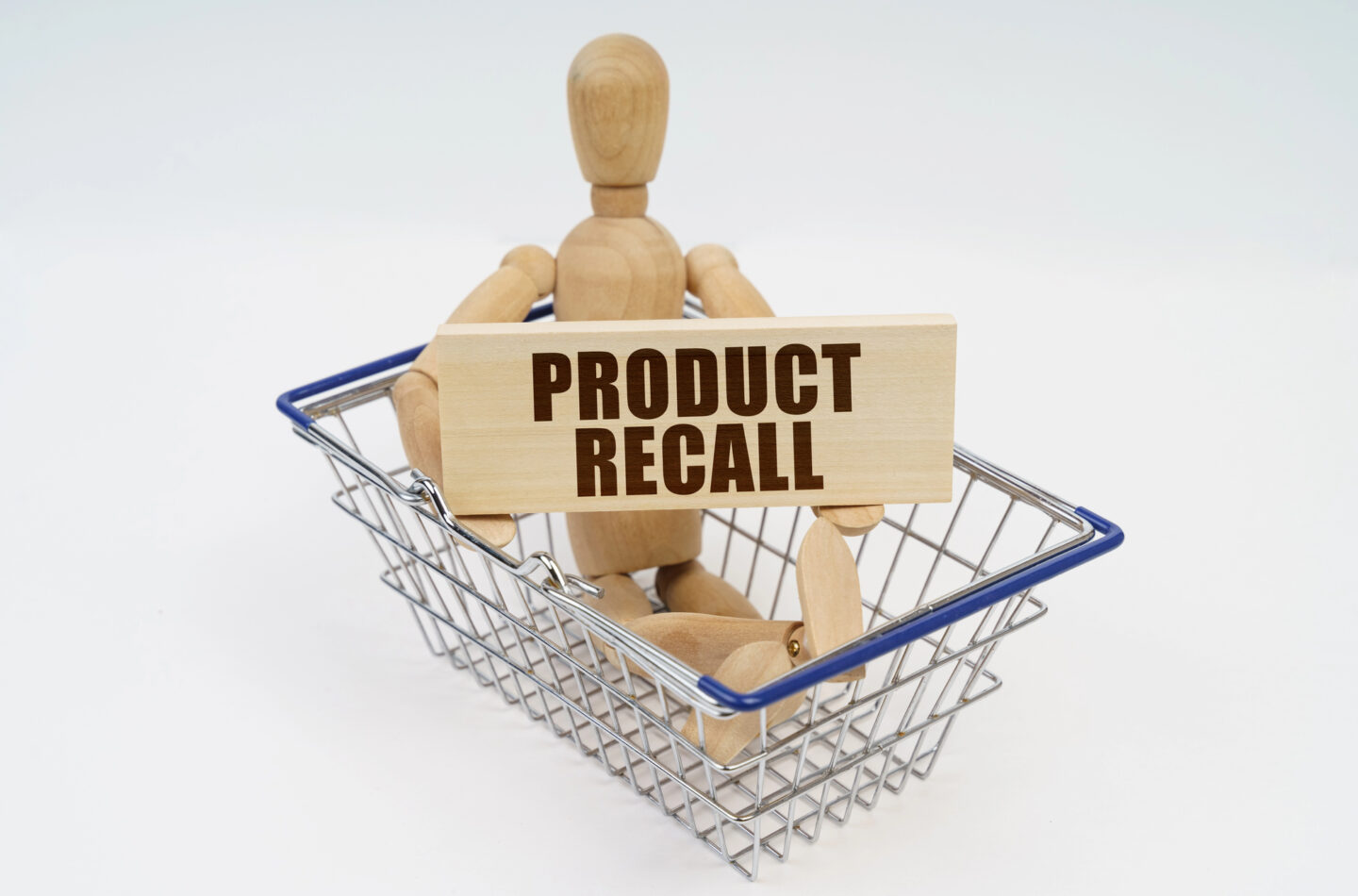
Types of Hazards That Lead to Recalls
Broadly, product recalls result from hazards falling into three categories:
- Fire risk
- Injury
- Health hazards.
Fire hazards typically involve electrical appliances, vehicles, or any product that incorporates a heat source or an electrical component. Faulty wiring, overheating parts, or flammable materials can turn a seemingly harmless product into a fire risk.
Injury hazards relate to products that can cause physical harm, like sharp edges on a toy or a tendency for a product to break into small, swallowable pieces. Lead-poisoning is another risk, as everyday items that contain unsafe levels of lead, typically toys, jewellery, cookware, ceramics, cosmetics, spices, and painted goods.
Health hazards, on the other hand, commonly involve contamination or improper labelling, which can be life-threatening to certain vulnerable groups.
Faulty Design or Manufacturing Issues
Recalls may also stem from design or manufacturing errors. A well-intended design might contain inherent flaws not discovered until the product reaches consumers. For instance, children’s car seats are often recalled due to a design or manufacturing flaw that could compromise child safety in the event of an accident. Manufacturing issues refer to inconsistencies- variances in production that generate faulty or subpar products. Products with these faults must get recalled – you wouldn’t want, for example, to buy a Christmas gift for your dog that’s likely to break in harmful ways when chewed.
Unintended Misuse of Products
Sometimes, a perfectly safe product may be recalled due to ‘unintended misuse.’ Products designed for a specific purpose might see consumers adapting them for other uses, inadvertently creating safety hazards. This was the case with laundry detergent pods, which, due to their sweet-like appearance, became a serious poisoning risk for children at one point.
Evolving Regulations and Standards
Changes in safety standards and regulations can trigger product recalls. For example, if a new study suggests that an ingredient previously deemed safe is harmful, products containing that ingredient would be recalled. This is particularly common in the food and cosmetics industry, where evolving scientific understanding can impact product safety guidelines.
In Conclusion product recalls are critical for consumer safety
Product recalls are critical for consumer safety. While they may pose short-term inconveniences or financial losses for both manufacturers and consumers, their long-term benefits in maintaining public safety are invaluable. The goal is not to deter manufacturers or to incite panic among consumers, but to promote a culture of responsibility, vigilance, and priority for safety. Through constant scrutiny, stringent safety protocols, and, when necessary, recalls, regulatory bodies and manufacturers aim to ensure every product on the market is safe for use or consumption.