Beginner’s Guide to Laser Tattoo Removal Sessions
Getting a tattoo removed can feel just as significant as getting inked in the first place. Whether you’re dealing with a regrettable impulse decision, a faded design, or simply making room for new art, understanding the laser removal process will help you approach your sessions with confidence and realistic expectations.
I could be compensated, if you click on a link in this post via a cash payment, gift or something else of value for writing this post. See our full disclosure policy and privacy policy for more details.

What Actually Happens During Laser Tattoo Removal
Laser tattoo removal works by breaking down ink particles beneath your skin using concentrated light energy. The laser targets the pigment in your tattoo without damaging the surrounding skin tissue. Once the ink particles are shattered into smaller fragments, your body’s immune system naturally flushes them away over the following weeks.
Different wavelengths of laser light target different ink colors, which is why professional clinics use specialized equipment. Black and dark blue inks typically respond best to treatment, while lighter colors like yellow and green can be more challenging to remove completely.
How Many Sessions Will You Actually Need
This is the question everyone asks first, and unfortunately, there’s no one-size-fits-all answer. Most tattoos require between six and twelve sessions for complete removal, though some may need fewer and others significantly more.
Several factors influence the number of sessions you’ll need. The age of your tattoo matters, as older tattoos have already begun to fade naturally. The colors used, the depth of the ink, and the quality of the original work all play a role. Your skin type and how well your immune system processes the broken-down ink particles also affect the timeline.
Professional tattoos generally take longer to remove than amateur ones because the ink is applied more deeply and consistently. If you’re consulting with Melbourne laser tattoo removal experts, they’ll assess your specific tattoo and provide a personalized estimate during your initial consultation.
Spacing Your Sessions for Best Results
You can’t simply book back-to-back appointments and have your tattoo gone in a month. Your body needs time to process and eliminate the fragmented ink particles between sessions.
Most clinics recommend waiting six to eight weeks between treatments. This interval allows your immune system to do its job and your skin to heal properly. Rushing the process by scheduling sessions too closely together won’t speed up removal and could actually damage your skin or reduce effectiveness.
Some practitioners now suggest even longer intervals of twelve weeks for optimal results. Recent research indicates that giving your body more time between sessions can lead to better overall outcomes with fewer total treatments needed.
What to Expect in Terms of Discomfort
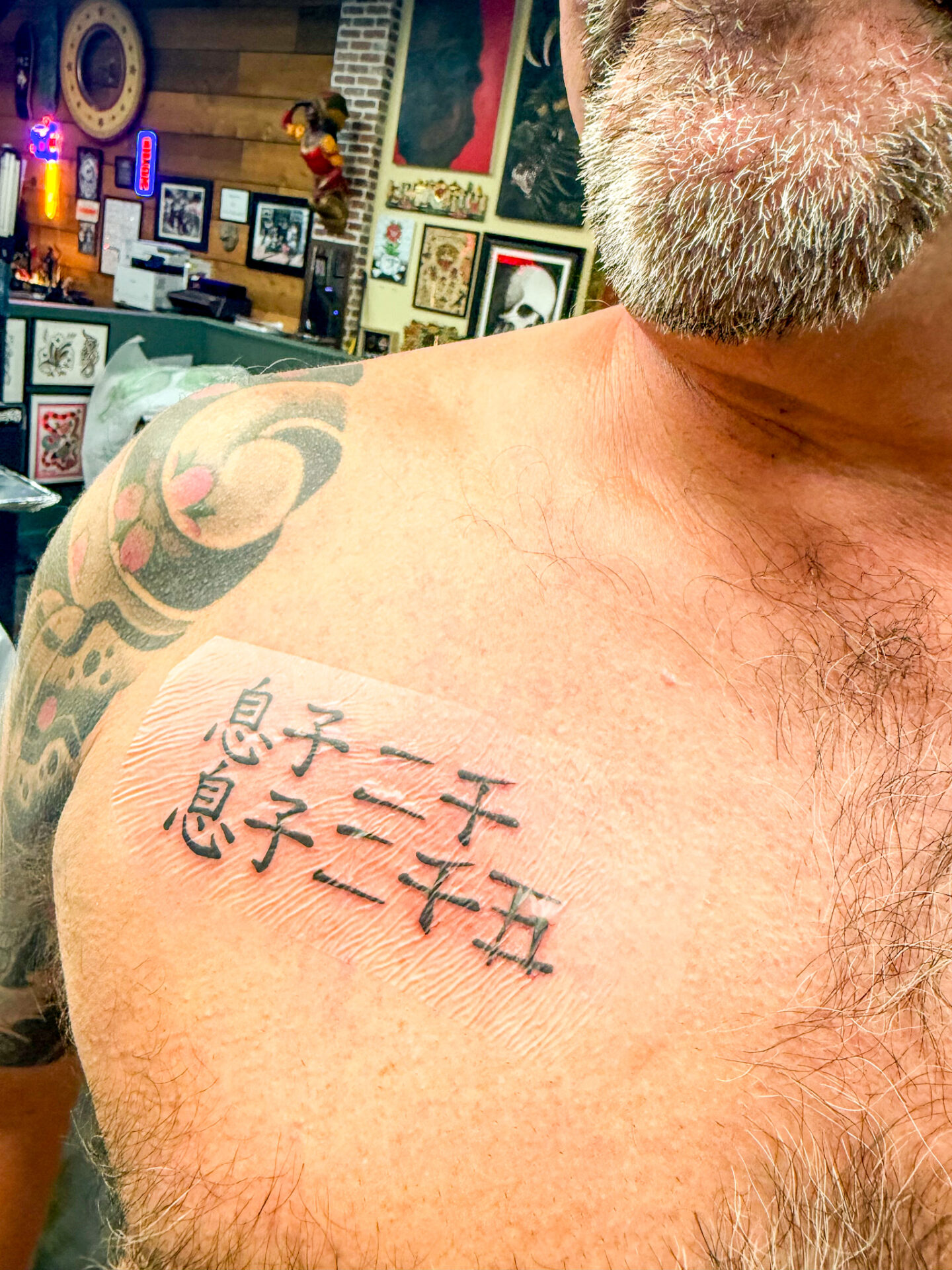
Let’s be honest: laser tattoo removal isn’t painless, but most people find it tolerable. Many describe the sensation as similar to having a rubber band snapped against your skin repeatedly, or like bacon grease spattering on you.
The good news is that sessions are relatively quick. A small tattoo might take just a few minutes, while larger pieces could require twenty to thirty minutes. Most clinics offer numbing options, including topical creams, cooling devices, or even local anesthetic injections for particularly sensitive areas.
Pain levels vary depending on the tattoo’s location. Areas with less fat and more nerve endings, like ankles, ribs, and inner arms, tend to be more sensitive than fleshier areas.
Aftercare Between Sessions Makes a Difference
Proper aftercare is crucial for both healing and achieving the best removal results. Immediately after treatment, the area will likely appear white or frosted, then become red and swollen. This is completely normal and typically subsides within a few hours.
Keep the treated area clean and dry, and apply any ointments your practitioner recommends. Avoid sun exposure, as UV rays can cause hyperpigmentation and interfere with the removal process. Don’t pick at any blistering or scabbing that occurs, as this can lead to scarring.
Staying hydrated and maintaining a healthy lifestyle supports your immune system in clearing away the ink particles. Some people even find that light exercise helps, though you should avoid activities that cause excessive sweating for the first few days after treatment.
Understanding the Financial Investment
Laser tattoo removal is typically more expensive than getting the original tattoo. Pricing varies based on the size of your tattoo, the number of sessions required, and your location.
Most clinics charge per session, with costs ranging from a couple hundred dollars for small tattoos to significantly more for larger pieces. Some facilities offer package deals that reduce the per-session cost when you commit to multiple treatments upfront.
Moving Forward with Your Removal Journey
Removing a tattoo is a process that requires patience, commitment, and realistic expectations. While complete removal is possible for many tattoos, some may leave slight shadowing or require additional treatments beyond initial estimates.
Choosing an experienced, reputable clinic with proper certification and quality equipment is essential for achieving safe, effective results. Take time to research your options, read reviews, and don’t hesitate to ask questions during consultations. Your skin deserves the best care possible as you work toward a clean canvas.