Design changes that add value to your home
Looking to improve your day-to-day living or hoping to increase your property’s market price for a more lucrative sale? Adding value lies in thoughtful updates that improve practicality and appearance, as well as dramatic extensions. In fact, simple changes can have the most
significant impact long-term, and without major expense. Try these simple
design changes to add value to your home, in all senses of the word.
I could be compensated, if you click on a link in this post via a cash payment, gift or something else of value for writing this post. See our full disclosure policy and privacy policy for more details.
Integrating sliding doors
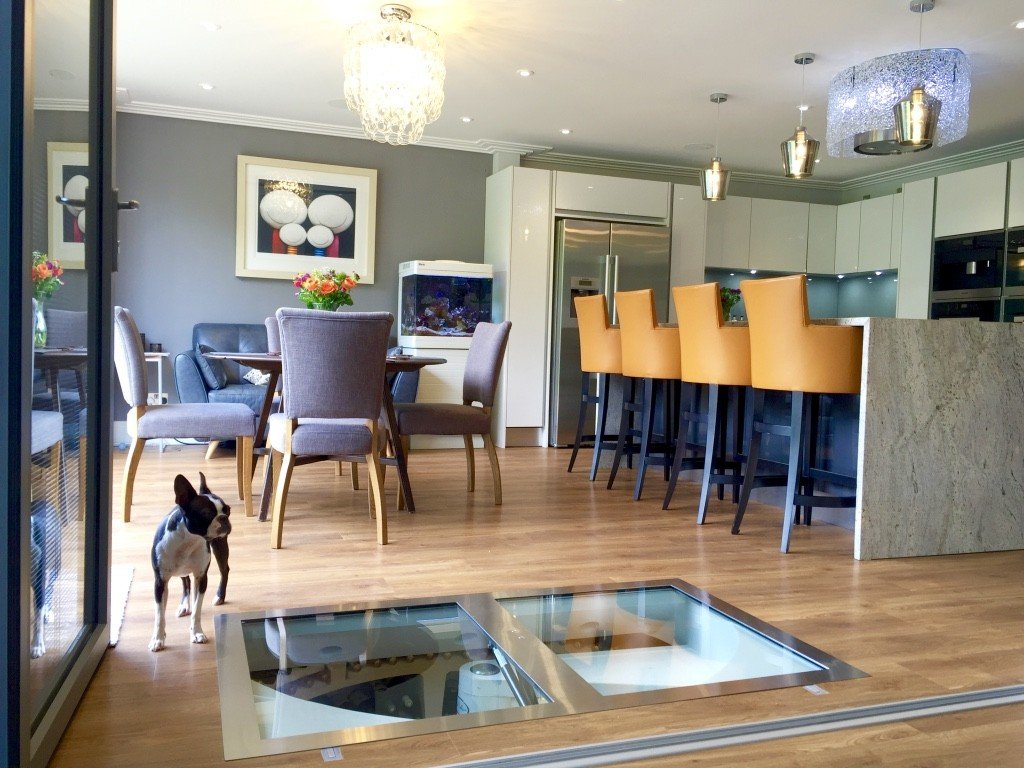
Sliding doors can make awkward layouts more spacious and more easily navigated, improving the flow of smaller properties with no need for renovation. You can complement this in your furniture, such as investing in sliding wardrobes for the bedrooms and open shelving rather than hinged cupboards in living areas. Glass-panel sliding doors also improve the flow between indoor and outdoor spaces. If your dining room opens onto a
garden, wide glazed panels create an indoor-outdoor aesthetic and allow natural light to travel further into the property throughout the day. Brighter rooms feel bigger, so this is a win.
Sliding doors also give you more freedom with how you arrange your furniture, as you no longer need to worry about how doors track as they open, allowing the necessary clearance space. In small bedrooms, even a few extra inches between the bed and other pieces can be invaluable in improving the in-room experience, making daily tasks like dressing that much easier. It also makes compact rooms feel less cramped, ensuring a cosy
rather than a claustrophobic atmosphere.
Refreshing tired walls
Walls absorb years of wear surprisingly quickly. Scuffed paint and dated wallpaper can make a home feel neglected even when the structure remains in good condition and rooms are evidently well-cared for. A fresh coat of paint offers one of the most cost-effective ways to change that impression. Soft neutrals such as warm white, stone or pale sage create a clean backdrop that suits different furniture styles and reflects more light around the room, a
versatile and widely-loved aesthetic that will appeal to buyers.
Preparation matters just as much as colour choice. Filling cracks, sanding
uneven patches and cleaning surfaces before painting creates a smoother finish that immediately looks more professional. In older properties, replacing heavily textured walls with clean plaster can modernise a room without removing its character. The character can be highlighted with paint, such as outlining period detailing like ceiling medallions in different colours. If you want to introduce personality, use colour selectively through alcoves, panelling or a single feature wall rather than overwhelming the entire space.

Upgrading your lighting
Lighting shapes the mood of a home more than many people realise. In fact, an interior designer worth their salt will tell you it’s the most important aspect in ensuring rooms look and feel inviting. A single harsh ceiling bulb can flatten a room, while layered lighting creates warmth and depth that makes spaces comfortable for relaxation during both daytime and evening hours. Replacing outdated fittings also helps modernise your interiors without major disruption. Brushed brass, smoked glass and matte black finishes currently offer a more contemporary look than older chrome fixtures.
Consider practical needs when optimising room lighting. For example, in kitchens, under- cabinet LED strips improve visibility while cooking and reduce shadows across worktops while pendant lights can make a statement above countertops and tables. In living rooms, wall lights and table lamps turn neglected corners into pleasant places for relaxed reading. Energy-efficient LEDs lower electricity usage over time, appealing to the modern
buyer more focused on sustainability.
Increasing storage space
Storage adds value to every home. You can never have enough of it, even in the largest houses. Being able to shut away your belongings ensures a lasting polished aesthetic and helps rooms feel larger and calmer. Built-in shelving, under-stair cupboards and fitted utility cabinets allow you to store everyday items neatly while freeing up floor space.
Going one step further with clever storage solutions contributes to better organisation for easier living in every room. Consider pull-out drawers and racks for shoes and accessories, twin rails that double hanging space and two-in-one furniture such as ottoman seats and divan bed frames with in-built storage. Making use of wall space like adding floating shelves and simple hooks is another avenue to finding storage in plain sight. Aim to make
storage feel integrated into the design and the routines of your home, rather than an added afterthought.