Solo Female Travel in Italy
For many women, the dream of visiting Italy involves navigating the cobbled streets of Trastevere, standing in awe before David in Florence, or sipping an espresso in a bustling Milanese piazza. If you have wished to explore Italy but do not have anyone to share it with, then this is for you! I have explored Europe alone, and Italy is one of my favourite places, so this is my guide to Solo Female Travel in Italy.
I could be compensated, if you click on a link in this post via a cash payment, gift or something else of value for writing this post. See our full disclosure policy and privacy policy for more details.

Solo female travel in Italy: safety tips and tricks
Is it safe? How do I handle logistics alone?
However, when the plan shifts from a group excursion to a solo journey, the romanticism often gives way to pragmatism and some questions:
Italy remains one of the most visited countries in the world, and millions of women traverse its regions annually without issues. Yet, exploring this beautiful peninsula invites a balance of open-mindedness and practical everyday awareness, to embrace the culture in the best way. Solo Female Travel in Italy can be easily achieved; you just need to know how.
Italy is a safe destination

Let us begin by addressing the primary concern: safety.
By global and European standards, Italy is a secure nation; crime rates are relatively low. For a woman traveling alone the environment is generally welcoming and the culture is hospitable.
Italy’s law enforcement is primarily divided between the Polizia di Stato and the Carabinieri, both of which are visible in city centers, and their presence of course serves as a deterrent to criminal activity. Furthermore, public spaces in the big cities are rarely deserted until very late at night and the concept of “social control” remains strong; locals notice when something is amiss.
However, travelers sometimes wonder about local social dynamics. Some people can be naturally outgoing and eye contact is simply more culturally commonplace than in some other countries; most of the time this is just a passing expression of appreciation. Compliments can occur, but the easiest approach is generally to just brush them off. Maintaining confident body language (like walking with a clear destination in mind) and slipping on some sunglasses are effortless ways to navigate busy streets and keep your personal space comfortable.
It is also worth noting that Italy is diverse. The atmosphere in a small Tuscan village differs vastly from the chaotic energy of Naples; rural areas and smaller towns are naturally quieter, even though English may be spoken less frequently. In the south, people tend to be louder, but also warmer and very welcoming.
Exercise caution in Milan, Florence and Rome

As in many popular European destinations, navigating the bustling crowds of Italy’s major cities simply requires a bit of awareness. A solo traveler deeply focused on a navigation app can easily become distracted, so it always helps to stay aware of your surroundings.
Here is a quick look at how to navigate the busier areas.
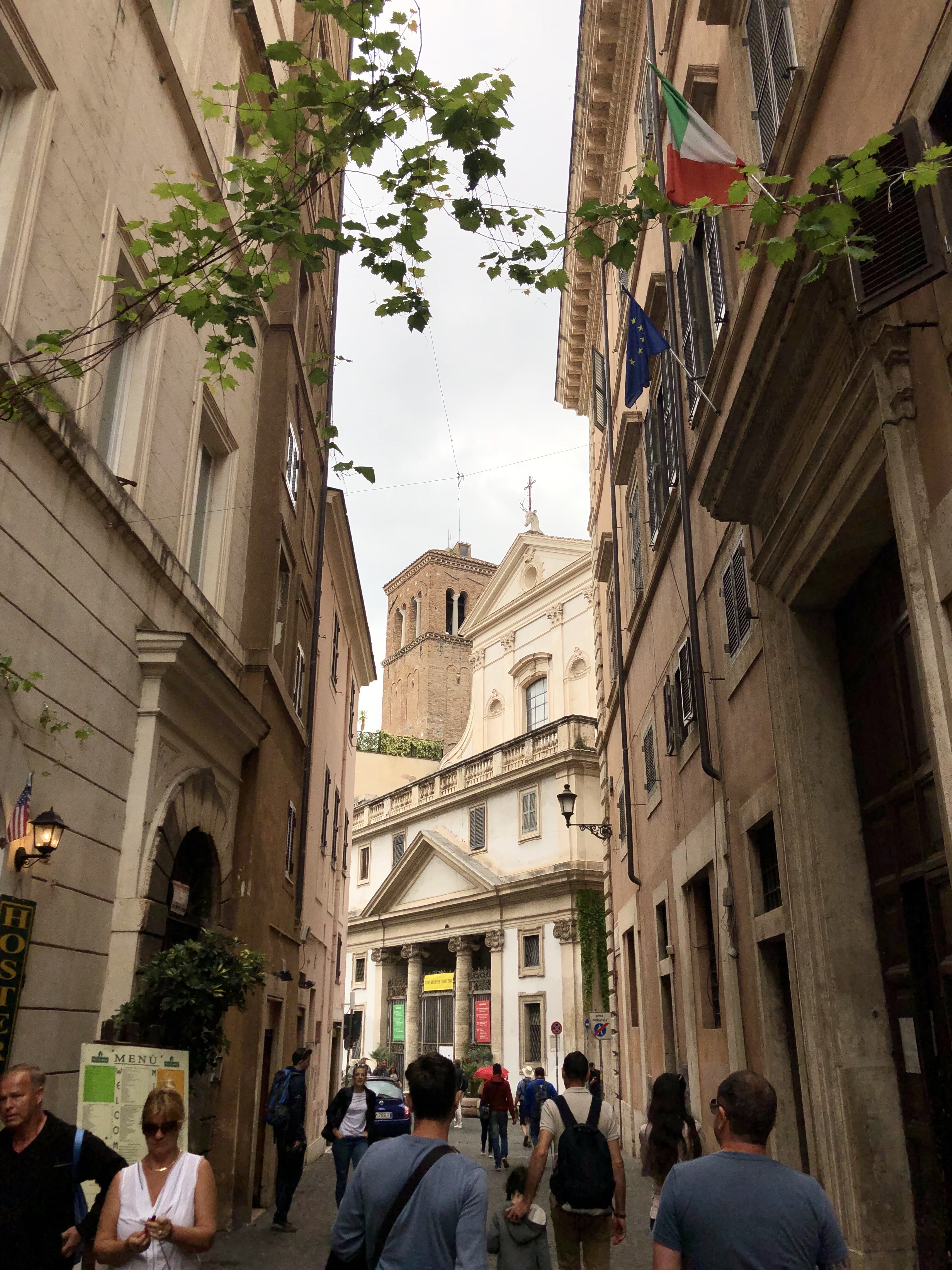
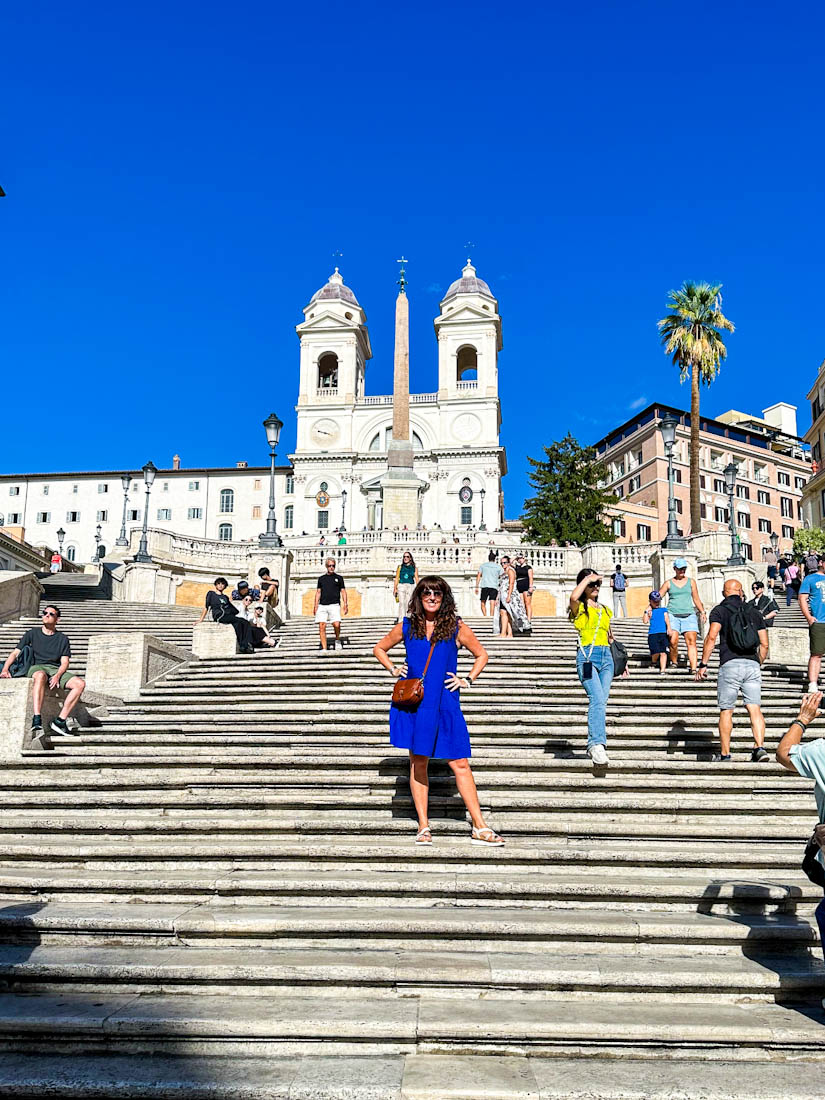
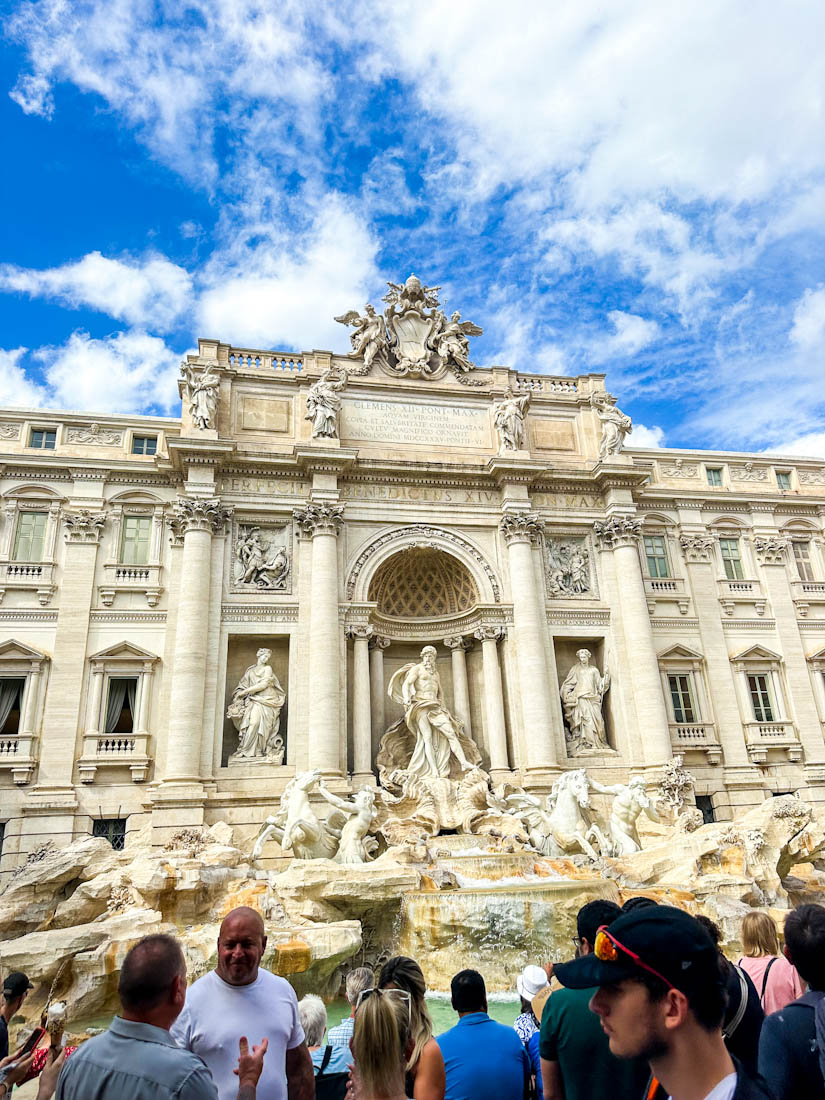
Rome: It is wise to stay alert around major transit hubs like Termini Station, particularly as the evening winds down. The historic centre is wonderfully vibrant, but in densely packed spots like the Trevi Fountain or the Colosseum, it is a good idea to keep a close eye on your personal items.
Florence: while beautifully compact and walkable, Florence’s charm lies in its narrow streets and lively markets, like San Lorenzo. When these areas fill up, the close quarters mean you should be extra mindful of your bags.
Milan: the energetic squares around the Duomo and the main train stations are naturally very busy. The Metro is a fantastic way to get around, but during peak hours, simply keeping your zipped bag comfortably in front of you provides great peace of mind.
The train is the safest way to move around
Transportation is an important component of the solo travel experience. For the solo woman the railway system offers a great alternative to other means of transport, because it is efficient and safe (the train stations and carriages are very well monitored).
When travelling between major hubs, the high-speed rail network is the gold standard. It cuts travel time significantly (for instance, Florence to Rome takes just over 90 minutes) and eliminates the vulnerability of navigating unknown highways. The seating is assigned, meaning you have a specific spot and are not fighting for space. For those looking to maximise their time, Italo high speed trains are recommended for effortlessly visiting both cities. These trains offer a level of comfort that allows you to decompress, charge your devices, and prepare for your next destination without the fatigue of driving.
Practical advice and rules to follow

Accommodation choices matter
When booking hotels or apartments, you may prioritise location over luxury. For example, look for accommodation with 24-hour reception desks and read reviews from other solo female travellers to gauge the area’s safety. If you are using a rental platform like Airbnb, ensure the host has a verified identity and a strong history of positive reviews.
Master the logistics of validation
One of the most common ways tourists lose money is through fines. If you are travelling on a regional train, bus, or metro, you must validate your ticket before boarding. On regional trains, this means stamping it in the green or yellow machines on the platform; on buses, you stamp it once onboard. Failure to do so results in hefty fines, and inspectors are rarely lenient with tourists claiming ignorance.
High speed trains with assigned seating generally do not require platform validation, as the ticket is tied to a specific train and seat, but always check the rules for your specific ticket type.
Dining alone
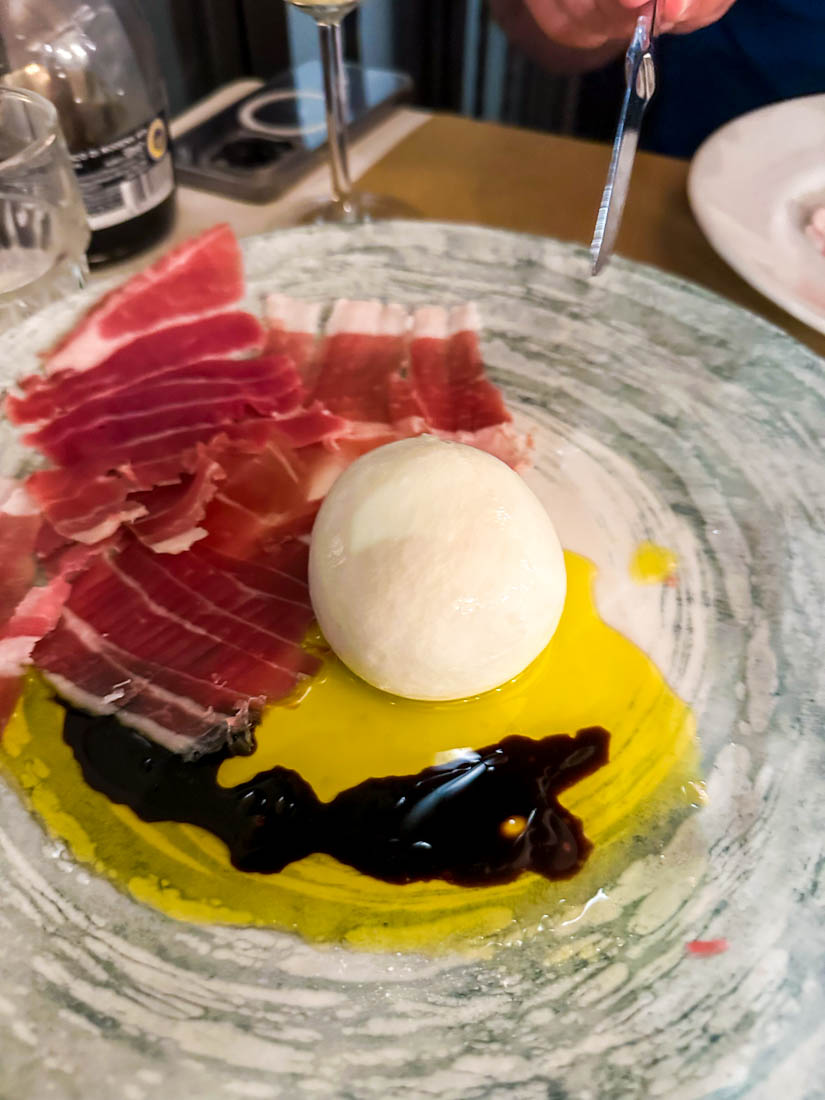
For some women the idea of eating alone in a restaurant could be intimidating; in Italy it shouldn’t be. Waiters are accustomed to solo dinners: bring a book or a journal if you feel self-conscious, but do not be afraid to simply people-watch. Lunch is often a heavier meal than dinner in Italy and it can be a great time to try nicer restaurants at a lower price point. For dinner, an “aperitivo” (pre-dinner drink with snacks) can be a substantial and social way to eat without sitting for a formal three course meal. If you are drinking alcohol, know your limits, especially because Italian measures can be generous.
Money management
Italy is increasingly card-friendly, but cash is still king in smaller establishments. Carry some Euro, but do not flash large wads of cash; keep a backup credit card and some emergency cash in a separate location.
By staying vigilant in crowds and using the train network, you can travel safely in the beautiful Italy.