
Beginner’s Guide to Saving on Business Class Flights
Flying business class doesn’t have to drain your bank account or remain an unattainable luxury. With the right strategies and a bit of flexibility, you can experience lie-flat seats, premium dining, and priority boarding without paying full price. This guide will walk you through proven methods to make business class travel accessible, even if you’re working with a modest budget.
I could be compensated, if you click on a link in this post via a cash payment, gift or something else of value for writing this post. See our full disclosure policy and privacy policy for more details.

Understanding When Airlines Discount Business Class
Airlines operate on a revenue management system that constantly adjusts prices based on demand. Business class seats often see significant price drops when flights aren’t filling up, particularly on routes with heavy competition or during off-peak travel seasons.
The sweet spot for booking is typically between two to four months before departure for international flights. However, last-minute deals can emerge when airlines need to fill empty premium seats. Setting up price alerts through various travel platforms helps you catch these fluctuations.
Midweek flights, especially Tuesdays and Wednesdays, generally cost less than weekend departures. Red-eye flights and those with less convenient connection times also tend to be priced lower, offering excellent opportunities if your schedule allows flexibility.
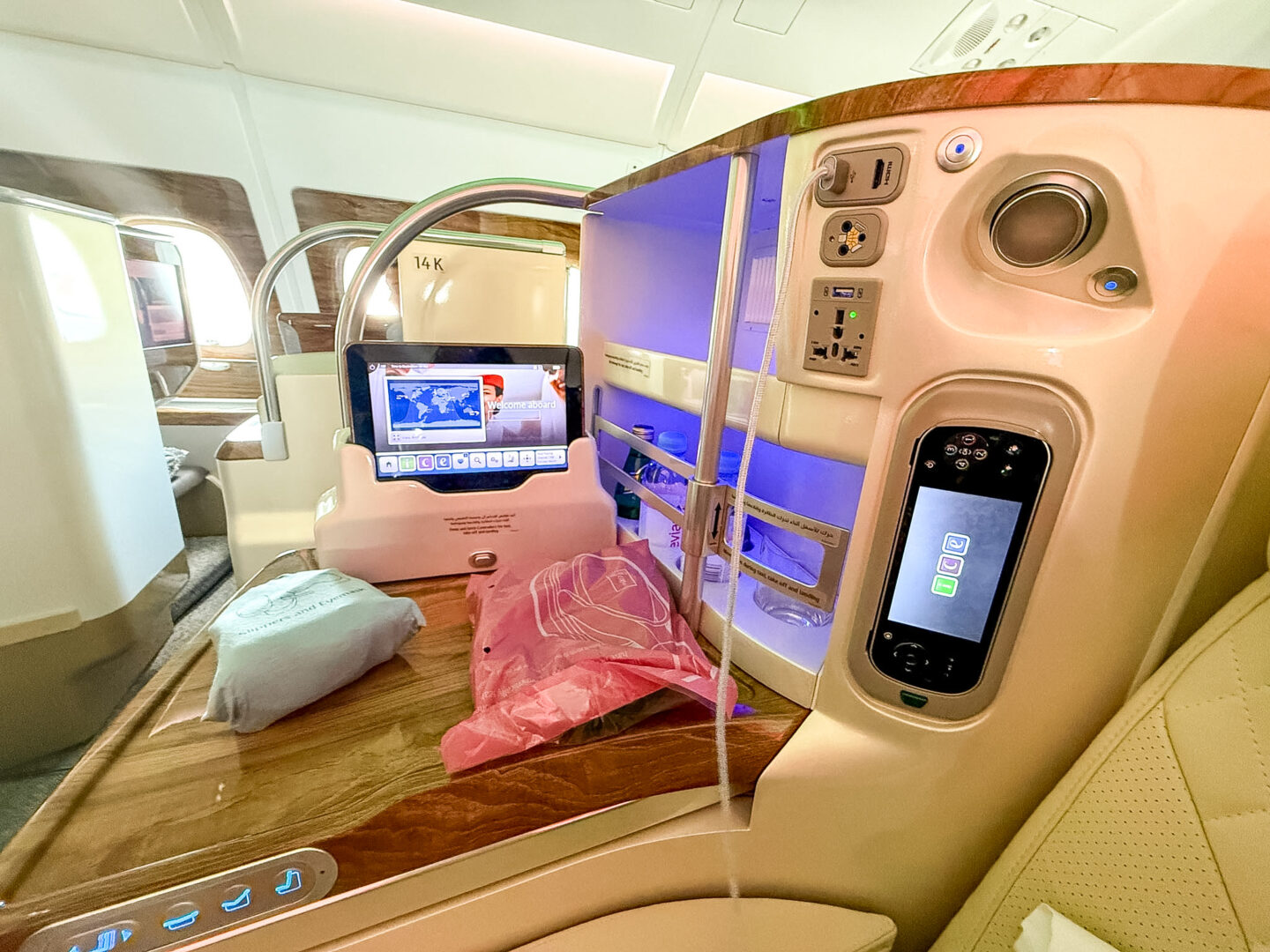
Leveraging Credit Card Points and Miles
Frequent flyer programs represent one of the most powerful tools for accessing business class at a fraction of the retail price. Many premium credit cards offer substantial sign-up bonuses that can translate directly into business class redemptions.
The key is understanding transfer partners and sweet spots in various airline programs. Some airlines charge fewer miles for identical routes than others, and booking through partner airlines can sometimes yield better value than booking directly with the operating carrier.
Don’t overlook credit cards that offer fixed-value points for travel purchases. These can sometimes provide better redemption rates than traditional airline miles, especially when you find cheap business class flights during promotional periods. The flexibility to book any airline without blackout dates makes these programs particularly valuable.
Exploring Upgrade Options and Bidding Systems
Many airlines now offer upgrade bidding systems where you can purchase an economy ticket and bid for an upgrade to business class. These systems allow you to name your price, and if your bid is accepted, you’ll be upgraded before departure.
The minimum bid is often surprisingly affordable, sometimes just a few hundred dollars above your economy fare. Success rates vary by route and season, but less popular flights typically have higher acceptance rates.
Elite status with airlines also opens doors to complimentary upgrades, especially on domestic and shorter international routes. Even entry-level status can dramatically improve your upgrade chances, making it worthwhile to concentrate your flying with one airline alliance when possible.

Considering Alternative Airports and Routes
Major hub airports typically command premium prices, but secondary airports in the same region often offer significantly lower fares. The savings on business class tickets can easily justify a short train ride or regional flight to reach your final destination.
Similarly, indirect routing can reduce costs substantially. A business class ticket from New York to Bangkok via Istanbul might cost thousands less than a direct flight, and the stopover can add an interesting dimension to your journey.
Some routes are simply more competitively priced due to multiple carriers fighting for market share. Research which airlines operate your desired route and check prices across all options, including foreign carriers that may offer better value.

Taking Advantage of Airline Sales and Error Fares
Airlines periodically launch sales that include business class inventory, often tied to new route launches or seasonal promotions. Subscribing to airline newsletters and following deal-tracking websites ensures you won’t miss these opportunities.
Error fares, though rare, represent the holy grail of discounted travel. These pricing mistakes sometimes include business class at economy prices. When you spot one, book immediately and ask questions later, as airlines often honor these tickets despite the error.
Flash sales typically last only 24 to 72 hours, so being ready to purchase quickly is essential. Have your passport information and frequent flyer numbers readily available to streamline the booking process.
Conclusion
Accessing business class travel on a budget requires strategy, flexibility, and patience, but it’s entirely achievable for the average traveler. By combining these approaches—monitoring prices carefully, maximizing points and miles, exploring upgrade options, considering alternative routing, and staying alert for sales—you can transform your travel experience without transforming your budget. Start implementing these strategies today, and your next international journey could include champagne at 35,000 feet rather than cramped knees in economy.